
French Drain Installation for Drainage Solutions in Northern Michigan
Standing water, saturated lawn areas, wet basement walls, and erosion-prone low spots are among the most common and most damaging problems that Northern Michigan property owners face. Stuckman Landscaping designs and installs French drain systems, catch basins, downspout extensions, and comprehensive drainage solutions for residential and commercial properties throughout Gaylord, MI, and Northern Michigan. We identify the source of your drainage problem, engineer the right solution, and install it correctly for lasting protection.
Solve Your Standing Water and Drainage Problems Permanently
Drainage problems in Northern Michigan are common. The combination of clay-heavy soils, heavy spring snowmelt, and significant summer rain events creates conditions where water frequently accumulates faster than it can move away naturally. Left unaddressed, these wet areas damage lawns, create mosquito habitat, threaten foundations, and make portions of your property unusable. The right drainage solution, properly designed and installed, eliminates these problems permanently without requiring ongoing remediation.
Our Drainage Services Include:
French drains
Standing water solutions
Catch basins
Downspout extensions
Foundation protection
Surface grading corrections
Outlet design
French Drain Installation: How It Works
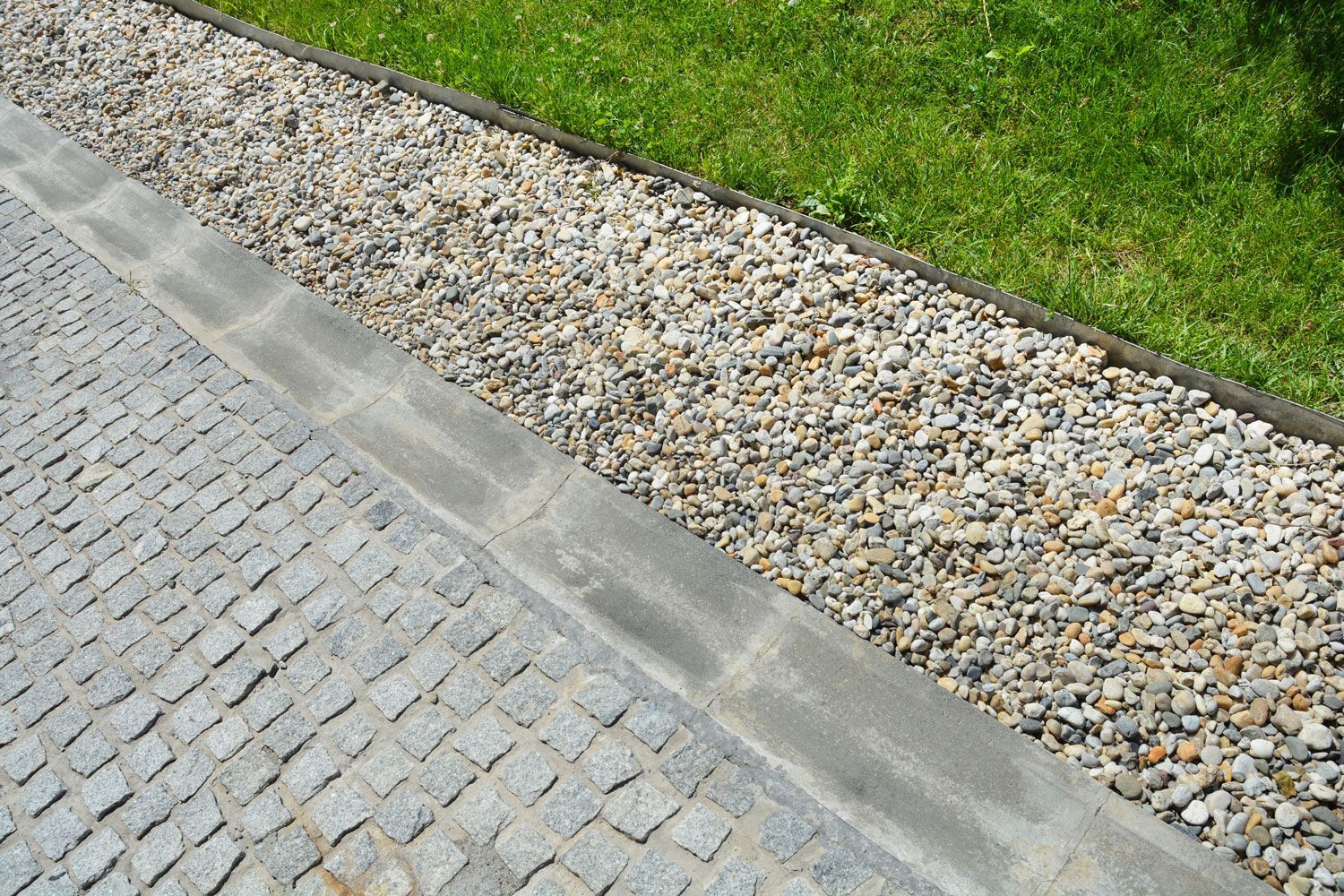
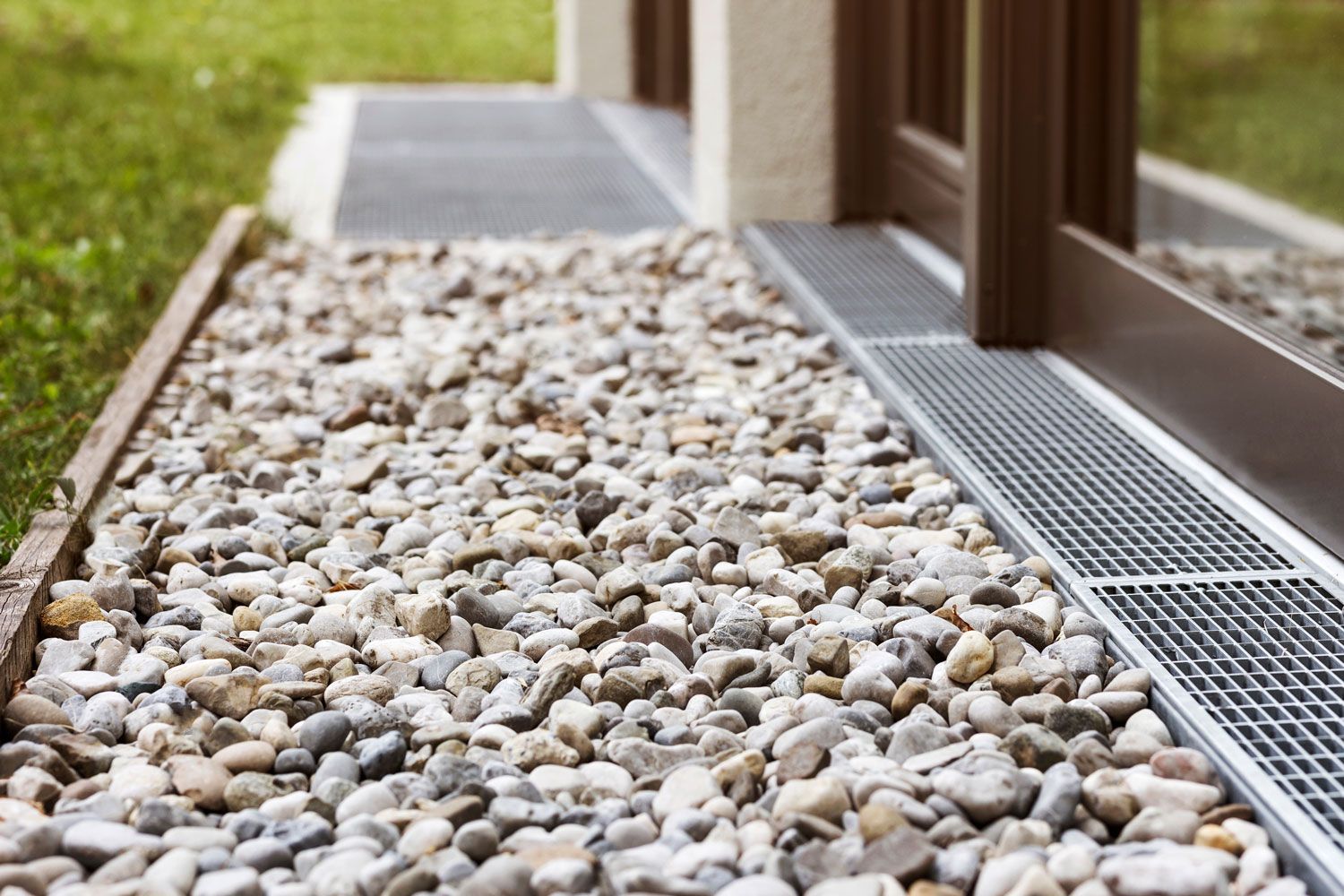
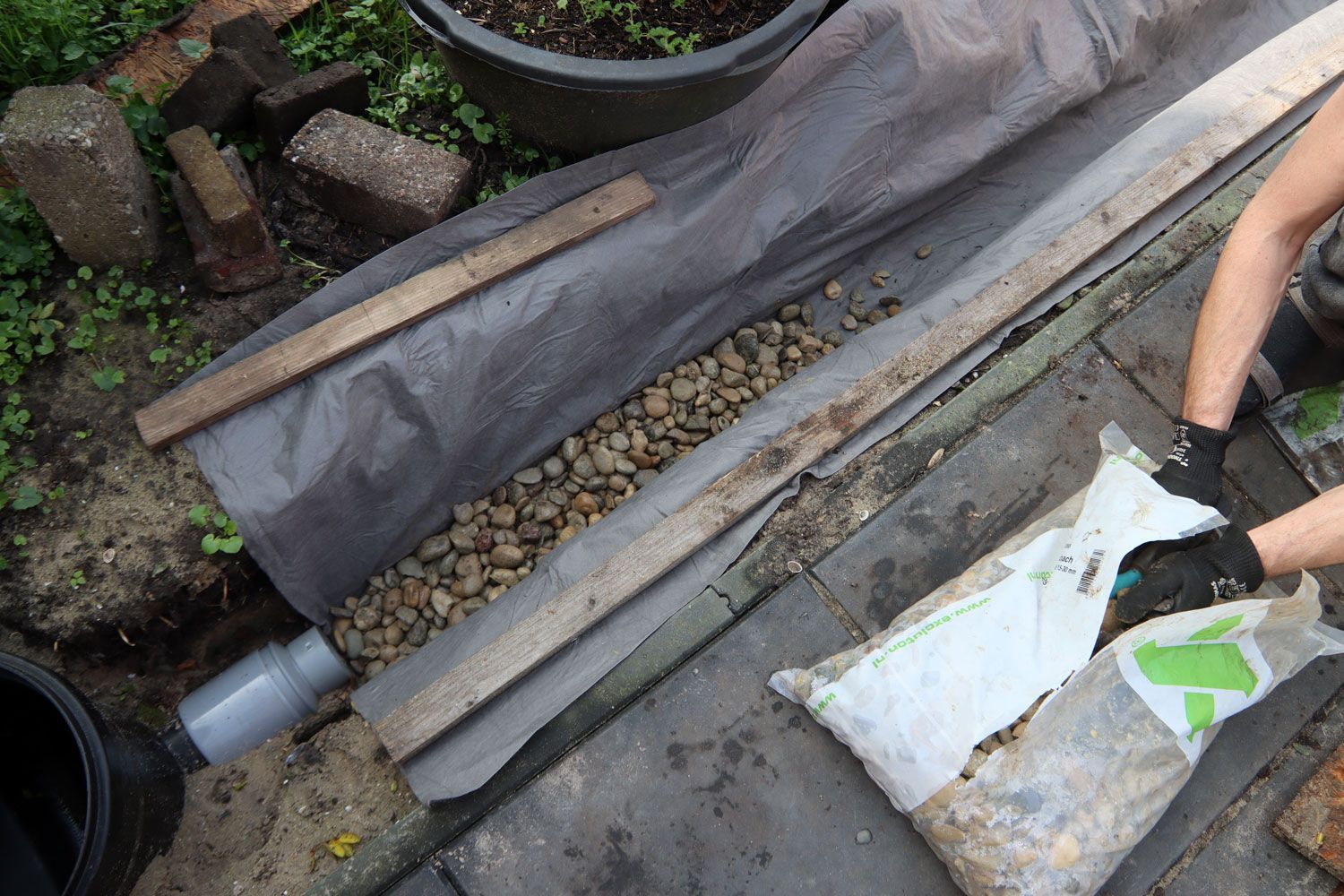
A French drain is a perforated pipe surrounded by washed gravel, installed in a trench at the correct depth and slope to intercept subsurface water and carry it to a suitable outlet. As groundwater rises in saturated soil, it enters the perforated pipe through openings in the pipe wall, then flows by gravity through the system to its outlet point, a daylight outlet on a slope, a catch basin, or a dry well. Properly designed French drains are highly effective at addressing the soggy soil conditions that Northern Michigan's clay soils and spring snowmelt routinely create.
Catch Basins and Surface Drainage Solutions
Some drainage problems are surface-level rather than subsurface, low spots that collect water after rain events because there is no natural path for it to flow away. Catch basins are surface inlets with grated tops that collect this standing water and direct it into an underground pipe system for transport to a suitable outlet. We design catch basin systems sized for the drainage area they need to serve and install them at the correct elevation to capture runoff effectively without creating new flow problems downstream.
Downspout Extensions and Foundation Protection
One of the most common sources of wet basement walls and saturated foundation soils is improperly managed roof runoff. Standard downspout splash blocks are inadequate for Northern Michigan's rainfall volumes. They discharge water immediately adjacent to the foundation, where it saturates soil and creates hydrostatic pressure. Underground downspout extensions carry roof water away from the foundation in a buried pipe, discharging it at a safe distance where it can infiltrate without affecting the structure. This is one of the most cost-effective foundation protection investments available.
Frequently Asked Questions About French Drains
How do I know if I need a French drain?
If your lawn has areas that remain wet for more than 24 to 48 hours after a significant rain event, if you have soggy patches that never fully dry out, if water collects near your foundation after rain, or if you experience basement dampness following heavy precipitation, a French drain or other drainage solution is likely the right answer. We offer drainage consultations to assess your specific situation and recommend the most appropriate and cost-effective solution.
How deep does a French drain need to be in Northern Michigan?
French drain depth depends on what the drain needs to intercept — shallow drains of 18 to 24 inches address surface saturation, while deeper drains intercept subsurface water moving through the soil profile. In Northern Michigan, drain pipe must be installed below frost depth (typically 42 or more inches) in areas where freezing of the pipe would prevent water flow during snowmelt events. We design drain depth based on the specific problem we're solving.
Where does the water go after it enters a French drain?
Water collected by a French drain flows through the perforated pipe by gravity to a designated outlet point — typically a daylight outlet on a sloped bank, a catch basin connected to an underground outlet, or a dry well in appropriate soil conditions. We design every outlet to discharge water responsibly without creating new drainage problems downstream or on neighboring properties.
How long does French drain installation take?
Most residential French drain installations are completed in one to two days, depending on the system's length, depth, and complexity. Larger systems with multiple catch basins or complex outlet configurations may take longer. We provide a clear project timeline and minimize surface disruption through careful installation and thorough cleanup.
Will a French drain solve my wet basement problem?
French drains address exterior subsurface water that contributes to wet basements by intercepting groundwater before it reaches the foundation. When basement moisture is caused by exterior drainage and grading issues, a French drain combined with corrected grading can be highly effective. When moisture enters through the basement floor or through cracks in the foundation, interior waterproofing measures may be needed in addition to exterior drainage. We assess the situation honestly and recommend the right approach.
Contact Us Today
Fix your drainage problems for good. Call Stuckman Landscaping at 231-244-1011 to schedule a drainage consultation.





